Motorsport Track Maintenance & Surface Stewardship
A racing circuit surface is an active, dynamic thermodynamic system. We explore the high-stakes engineering behind asphalt aggregate care, curb integrity, continuous friction testing, and sub-surface drainage management.
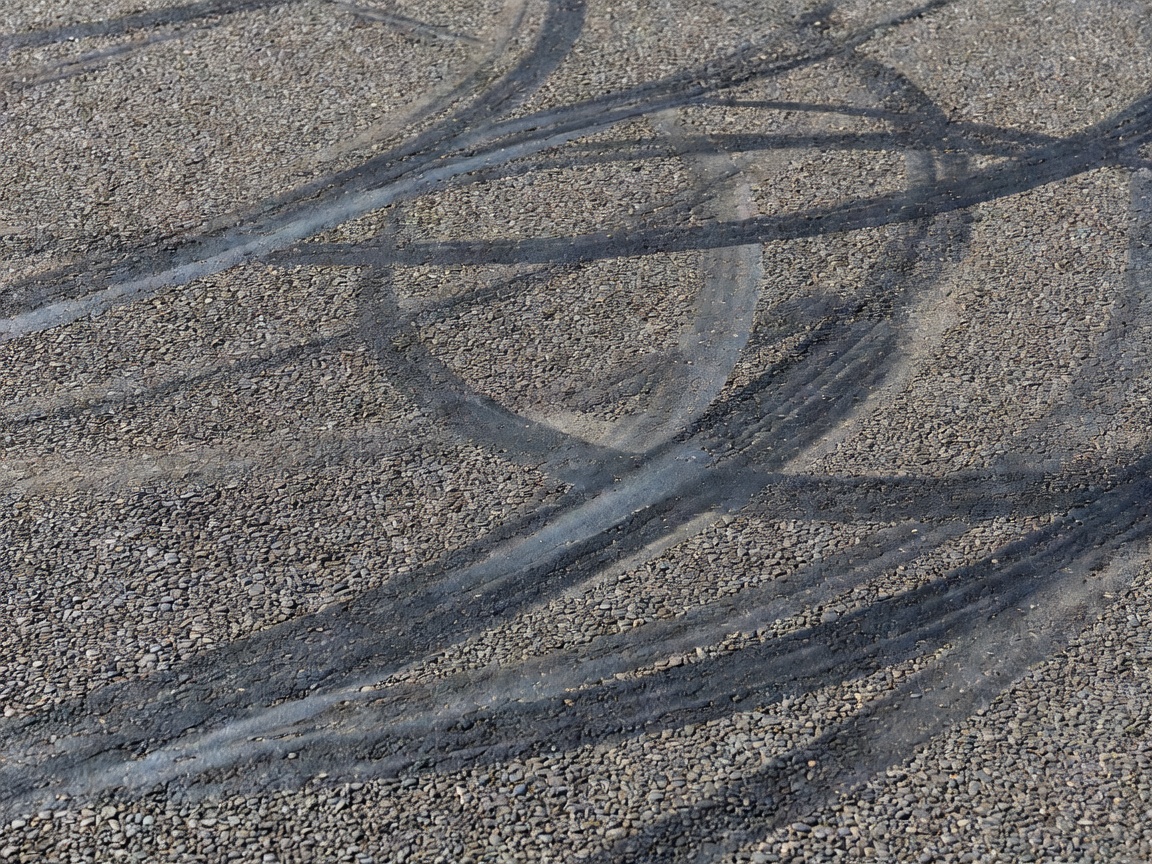
The Science of Modern Racing Asphalt
When high-downforce prototypes and GT machinery negotiate high-speed sweeps, they exert violent lateral shear stresses on the top wear layer of the asphalt. We look at the circuit surface not merely as pavement, but as a specialized friction-generating interface. If aggregate raveling begins or bituminous binder oxidizes under intense ultraviolet exposure, the line between peak grip and sudden catastrophic break-away vanishes.
Professional track maintenance is therefore proactive rather than restorative. Our routines emphasize micro-texture preservation, thermal stress monitoring, and structural crack sealing before micro-fissures propagate into full asphalt displacement under high braking loads.
Core Maintenance Workstreams
To keep a circuit operational across all four seasons, engineering crews divide surface upkeep into distinct physical domains. Each domain requires specialized tools, calibrated materials, and strict regulatory adherence to governing body standards.
| Zone | Primary Failure Mode | Remediation Methodology | Inspection Cadence |
|---|---|---|---|
| Heavy Braking Zones | Surface rippling, aggregate polishing, binder migration | Fine cold-milling micro-profiling, resin-bound grit injection | Bi-weekly & post-event |
| Negative & Positive Kerbs | Foundation settlement, bolt shearing, epoxy separation | High-torque chemical anchor re-pinning, polymeric grout renewal | Pre-race homologation |
| Gravel Run-off Traps | Compaction from rain, stone crusting, foreign debris infiltration | Mechanical deep tractor rototilling, aggregate depth profiling | Prior to every track weekend |
| Linear Slit Drains | Rubber marble blockage, sediment accumulation, grate deflection | High-pressure water vacuum flushing, mechanical locking torque verify | Monthly and post-storm |
Kerb Engineering and Dynamic Vehicle Loading
Modern racing kerbs (including standard 50mm negative curbs, saw-tooth kerbs, and exit sausage curbs) withstand tremendous vertical impacts. When a 1,200kg race car strikes an apex curb at 160 km/h, the hydraulic shock transmitted into the concrete base requires resilient foundation engineering.
We inspect every joint between the asphalt binder course and the concrete curb unit. Thermal expansion disparities between asphalt and pre-cast concrete frequently cause interface cavities. Left unattended, trapped water creates hydraulic pressure under tire loads that blows out the surrounding asphalt edge. We deploy polyurethane flexible sealants that flex without debonding under extreme repetitive vibrational harmonics.
Run-off Area Deceleration Integrity
Run-off areas must guarantee predictable deceleration rates. Asphalt run-off strips must maintain a specified macro-texture without accumulating loose marbles that act like ball-bearings under braking. Meanwhile, gravel beds must maintain an uncompacted depth of 250mm to 300mm of rounded 5–15mm river aggregate. We never use crushed angular gravel, as it locks together under impact and fails to dissipate kinetic energy smoothly.
Continuous Friction Testing & Profilometry
Subjective visual inspections are inadequate for professional track management. We utilize dynamic continuous friction measurement vehicles (such as calibrated grip-testing trailers) to plot friction graphs across the whole racing line under dry and wet simulated conditions.
- Friction Equilibrium: Confirming that the grip differential between the left and right wheel tracks does not exceed tight safety margins in straight-line braking segments.
- Porous Asphalt Flushing: Clearing out packed organic debris and synthetic tire rubber from porous friction layers to preserve natural wet-weather draining capabilities.
- Laser Cross-Slope Surveying: Monitoring camber changes across apex transitions to ensure precipitation sheds cleanly into peripheral drains without sheet-ponding.
Selecting Track Maintenance Services: Operational Criteria
When facility directors evaluate circuit upkeep contracts, service capability must align with event schedules. A vendor must demonstrate:
- Rapid Curing Resins: Capacity to execute emergency surface patching that cures to full structural race load within two hours.
- Dedicated Sweep Fleet: Availability of vacuum regenerative sweepers fitted with non-abrasive polymer brushes that clean without eroding binder.
- Homologation Documentation: Detailed digital reporting software tracking friction values, paint thickness, and barrier integrity for sanctioning federation audits.
Related Operational Disciplines
Track maintenance works directly in tandem with our pre-session Track Preparation protocols and broad-scale Facility Operations.
Schedule a Track Surface Audit
Connect with our technical team to discuss profilometry surveys, aggregate restoration, or kerb refurbishment for your facility.